Drawing Science Equality
Marie Curie
Marie Curie (1867–1934) was a Polish physicist and chemist, renowned for her pioneering research. She studied the phenomenon of radioactivity and became the first woman to hold a professorship at the University of Sorbonne. She was also the first woman to be awarded a Nobel Prize. In 1903, she won the Nobel Prize in Physics along with her husband, Pierre Curie, and Henri Becquerel for their discovery of radioactivity. In 1911, she was honored with a second Nobel Prize, this time in Chemistry, for her discovery of the elements polonium and radium.
Beyond her scientific contributions, she developed mobile radiology units that were used during World War I. Marie Curie was the first person to win two Nobel Prizes and the first to receive them in two different scientific fields. Her life and work continue to inspire the contributions of women in science, emphasizing the importance of dedication to research and innovation.
Hypatia
Hypatia (c. 370–415 AD) was one of the most influential figures in ancient science and philosophy. She excelled in mathematics, astronomy, and philosophy and taught at the Neoplatonic School of Alexandria. Her contributions to geometry and astronomy were significant, and she played a crucial role in the development of Neoplatonic philosophy. Her teachings encompassed a broad curriculum that integrated mathematics, astronomy, and philosophy, helping her students understand the connections between these disciplines. Additionally, she developed scientific instruments such as astrolabes and hydrometers, demonstrating her ability to bridge theory with practice.
Tragically, Hypatia’s life was cut short in 415 AD when she was murdered by a fanatical mob who accused her of sorcery and blamed her for political tensions in Alexandria. Her death remains one of the most tragic events in the history of philosophy. Hypatia continues to be a symbol of intellectual pursuit and resilience, with her life and work inspiring generations to this day.
Valentina Tereshkova
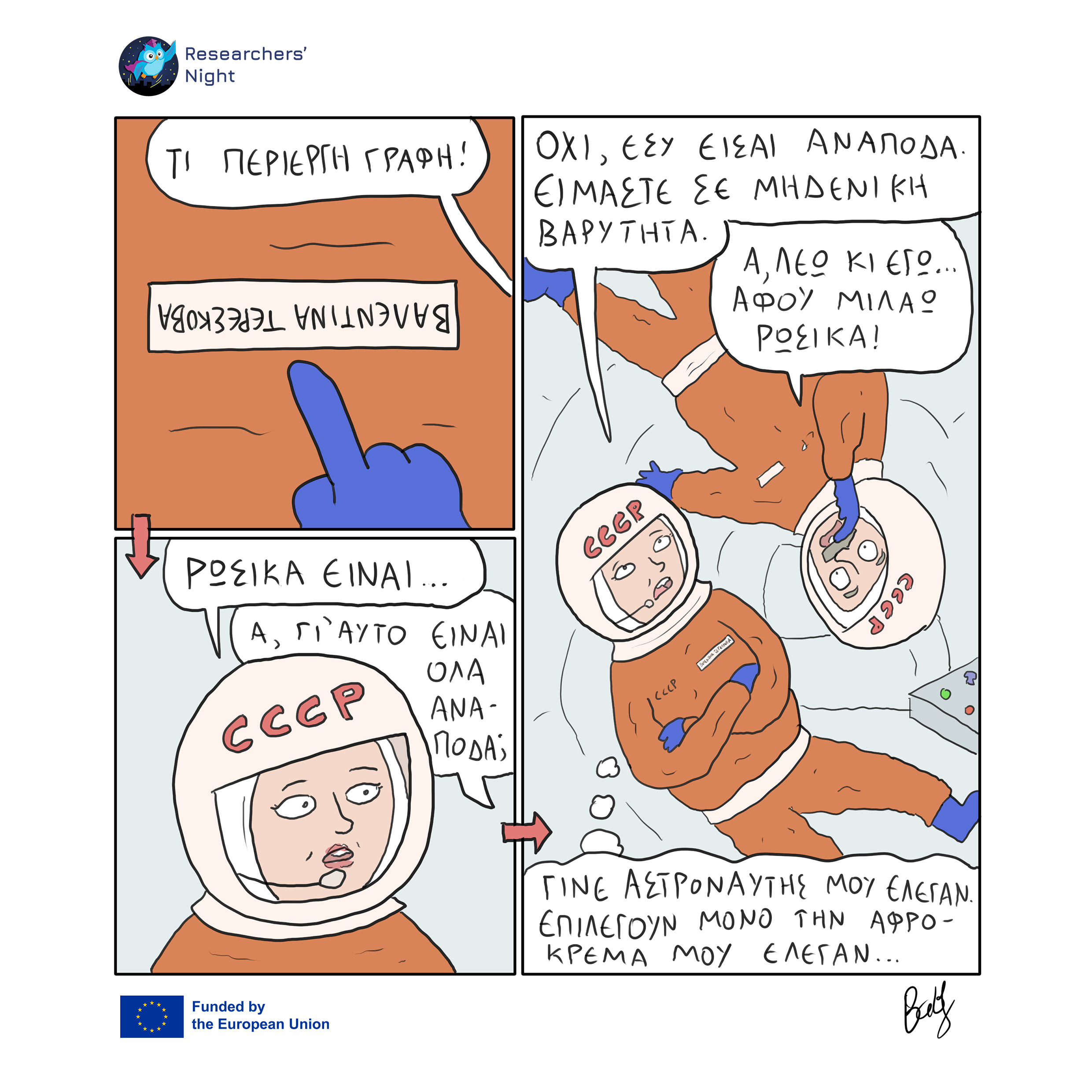
Valentina Tereshkova is one of the most important women in the history of space exploration. She was born on March 6, 1937, in Maslennikovo, Russia. On June 16, 1963, Tereshkova became the first woman to travel to space, aboard Vostok 6. During her three-day mission, she completed 48 orbits around the Earth and collected important data on the human body’s reactions to space flight.
After her historic mission, Tereshkova studied at the Zhukovsky Air Force Academy and became a cosmonaut engineer. Later, she held important positions in the Soviet Union and was honored with many awards, including the title of Hero of the Soviet Union. Tereshkova remains an iconic figure in the history of space exploration and continues to inspire both women and men around the world, in Russia and internationally.
Jane Goodall
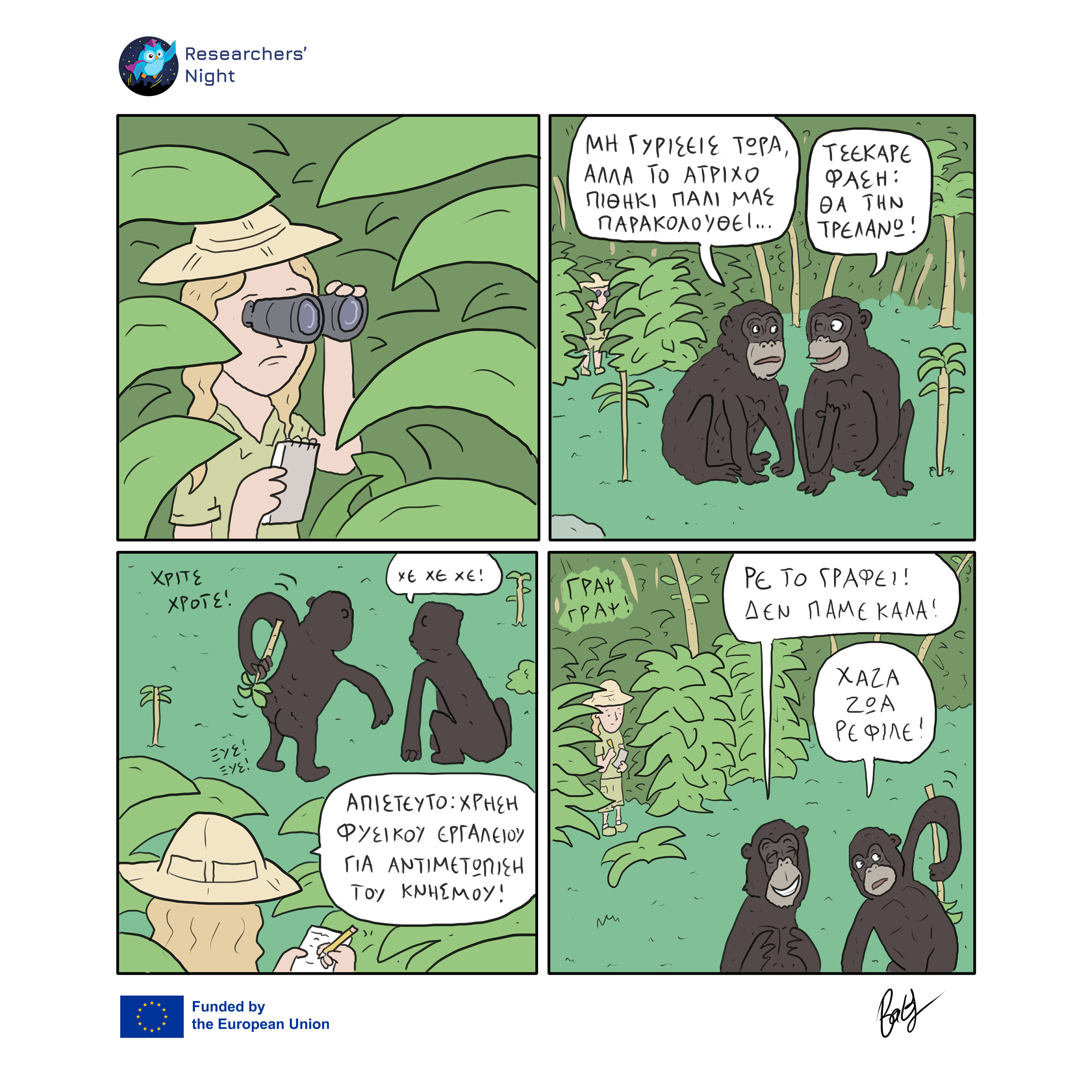
Jane Goodall (April 3, 1934) is a British primatologist, anthropologist, and is renowned for her long-term study of chimpanzees. In 1960, she began her research at Gombe National Park in Tanzania, dedicating her life to studying the social and family behavior of chimpanzees. Her groundbreaking observations revealed the complexity of their relationships.
In 1977, she founded the Jane Goodall Institute, which promotes the protection of chimpanzees and their natural habitat. She also created the educational program Roots & Shoots, encouraging young people to take action on environmental and social justice issues. She has received numerous awards for her work and is one of the most important researchers in the field of wildlife. Today, she continues her work, traveling tirelessly to promote environmental awareness.
Chien-Shiung Wu
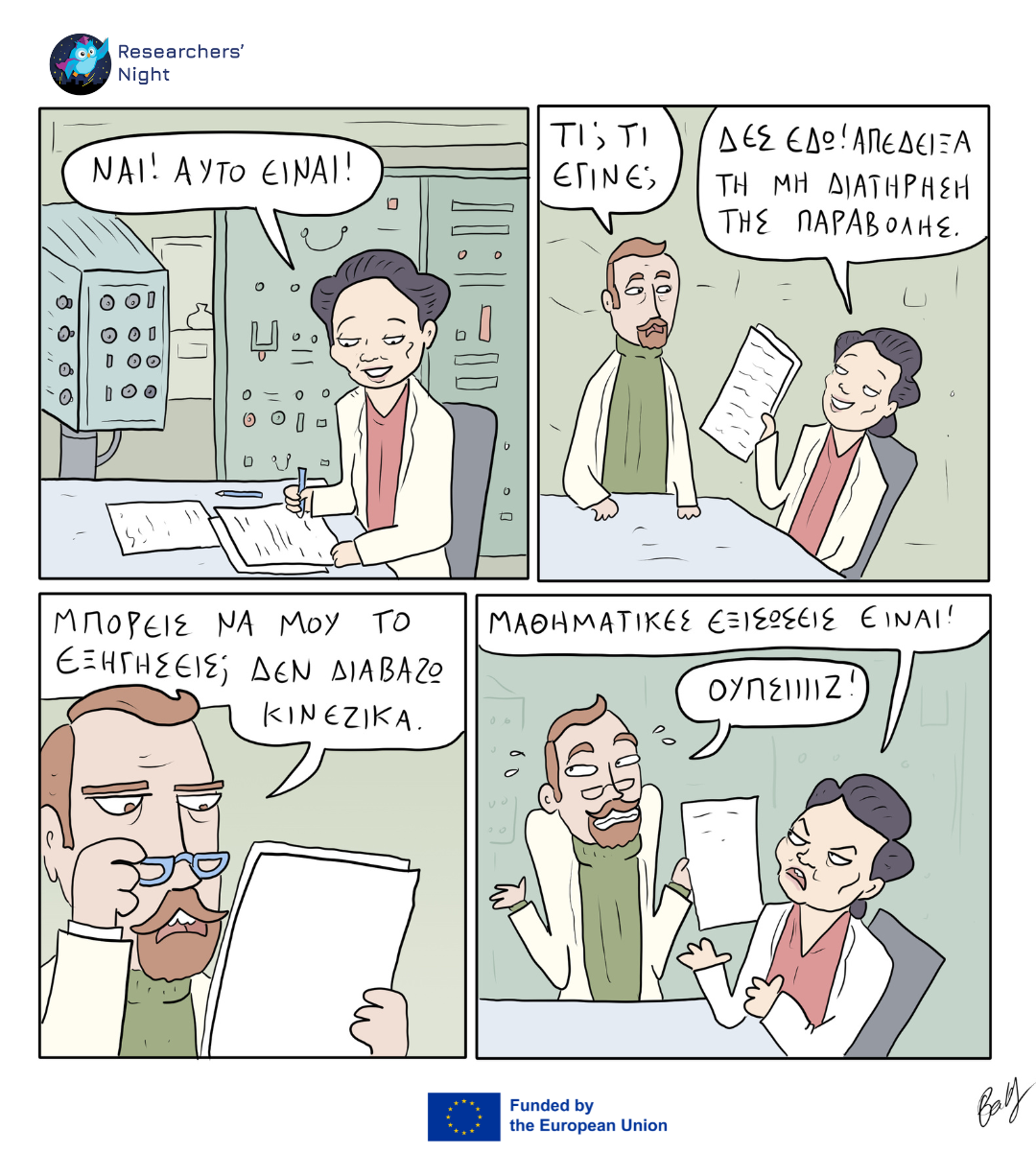
Chien-Shiung Wu (1912–1997), often referred to as the “Marie Curie of Physics,” was a physicist of Chinese origin with a long scientific career in the United States and a decisive contribution to modern nuclear and particle physics. She is best known for the “Wu experiment,” through which she provided the crucial experimental evidence that parity symmetry is not conserved in weak interactions, overturning a fundamental assumption of physics.
For the theoretical prediction of parity violation, Tsung-Dao Lee and Chen-Ning Yang were awarded the Nobel Prize in Physics in 1957. However, Wu’s decisive contribution was not included in the award, despite the fact that her experiment was essential for confirming the discovery. This omission has been described by distinguished physicists, such as Nobel laureate Jack Steinberger, as one of the most significant mistakes in the history of the institution.
Her scientific career highlights the importance of experimental research in shaping scientific knowledge and underscores the contribution of women to critical scientific breakthroughs.
Vera Cooper Rubin
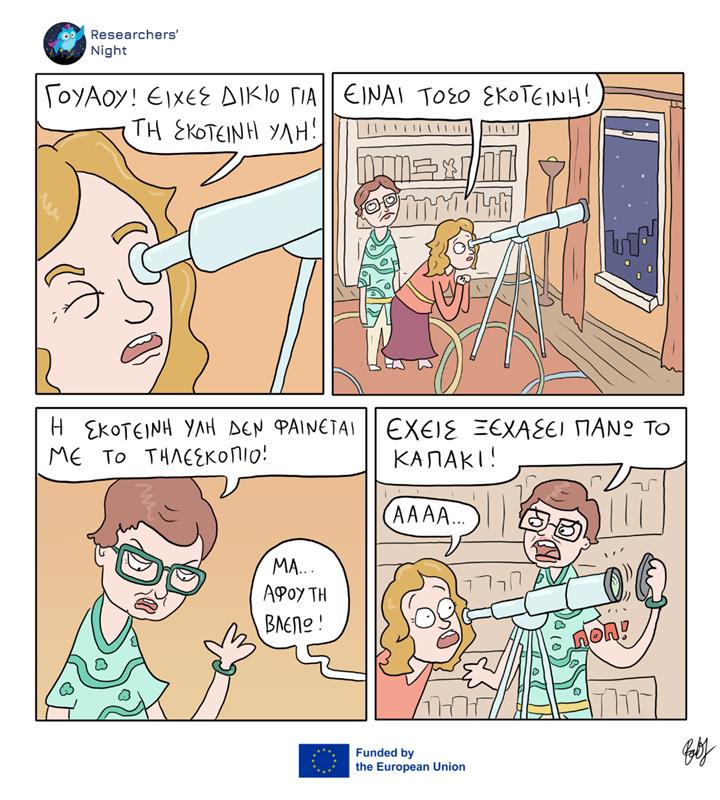
Vera Cooper Rubin (1928–2016) was an American astronomer who made a decisive contribution to modern cosmology and pioneered the study of galaxy rotation velocities. Through systematic observations of the rotation curves of spiral galaxies, she demonstrated that the rotational speeds of stars remain nearly constant at large distances from their centers, contrary to the predictions of the gravitational models accepted at the time. This discrepancy revealed the existence of invisible mass, now known as dark matter.
Although her findings were initially met with skepticism, they were widely confirmed in the following decades and radically changed our understanding of the structure and evolution of the Universe. Rubin’s work played a crucial role in shaping modern astrophysics, highlighting that the visible Universe constitutes only a small fraction of the total cosmic matter. Her scientific career underscores the importance of research for the advancement of science and contributes to the gradual expansion of the presence of women in the field of astronomy.
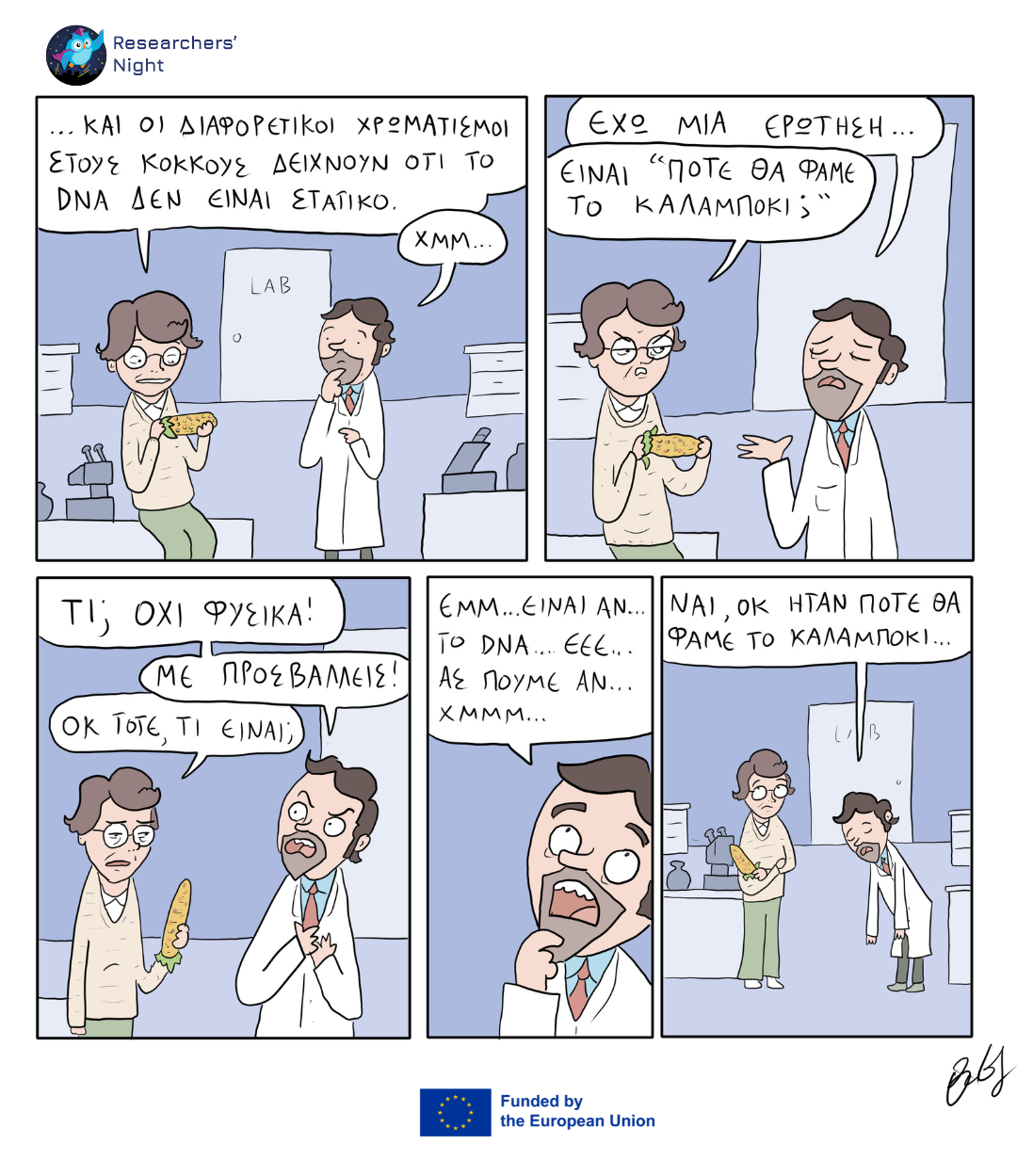
Barbara McClintock
Barbara McClintock (1902–1992) was an American scientist and cytogeneticist who made a decisive contribution to modern genetics. She was awarded the Nobel Prize in Physiology or Medicine for the discovery of transposable genetic elements. Through her long-term research on maize, she developed pioneering cytogenetic methods and contributed substantially to the understanding of chromosome structure, behavior, and reorganization, laying the foundations of key principles of genetic mapping.
Her work radically transformed the understanding of genome structure and behavior, providing evidence for the existence of transposable genetic elements and their relationship to phenotypic variation. Her contribution was crucial to the advancement of genetic science, and her scientific legacy highlights the significant role of women in fundamental research.
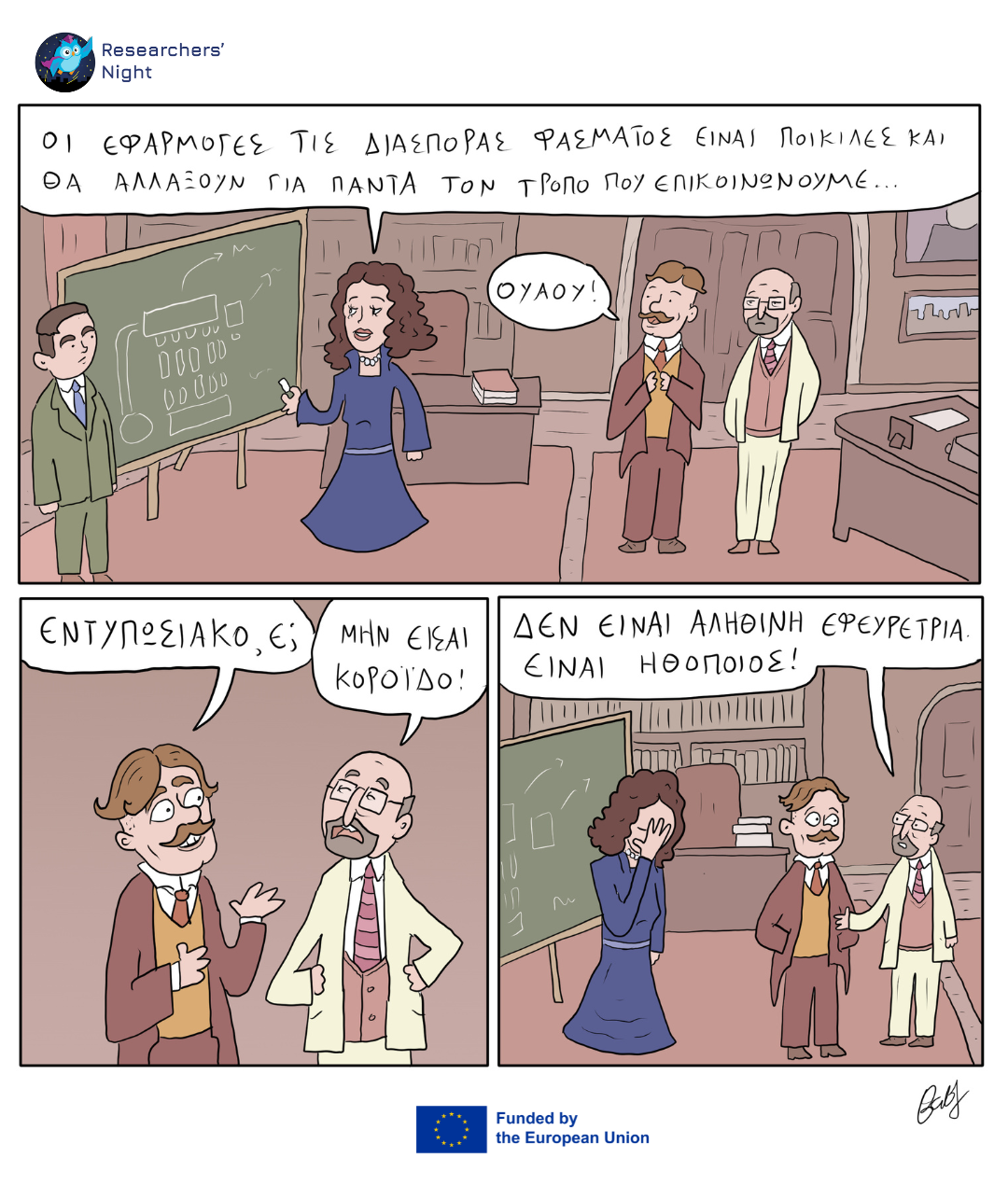
Hedy Lamarr
Hedy Lamarr (1914–2000) was an Austrian-born Jewish actress, researcher, and inventor who made a decisive contribution to the development of wireless communications. In collaboration with composer and researcher George Antheil, she developed the so-called Secret Communication System. This early frequency-hopping device made use of a player-piano roll, which enabled the signal to switch between different frequencies, with the ultimate goal of concealing radio-controlled torpedoes from enemy radar and reducing the likelihood of jamming. Lamarr’s idea of frequency switching, which later became the foundation of modern spread-spectrum technology, now underpins applications such as Wi-Fi, Bluetooth, and GPS systems.
Lamarr’s contribution was recognized decades later, establishing her as a pioneering figure in scientific and technological innovation. Alongside her research activity, she was also active in cinema as an actress. Her work demonstrates that scientific thinking and inventiveness can flourish beyond institutional frameworks and stereotypes, serving as a lasting source of inspiration for the participation of women in research and technology.